Thursday, 28 September 2017

Monopolies

A monopoly is defined as "the exclusive possession or control of the supply or trade in a commodity or service."John D. Rockefeller, Cornelius Vanderbilt, Andrew Carnegie and J.P Morgan formed "The Big Four". These men became famous for their ruthless business tactics that drove competitors out of business for theirs to gain more attraction. 

"If you want to succeed you should strike out on new paths, rather than travel the worn paths of accepted success." This quote by John D. Rockefeller defines his views as a leader in the industrial expansion in America. John D. Rockefeller was a strategic businessman who saw opportunity in the oil industry sometime in the 1860's. Rockefeller controlled around 90 percent of the oil industry in America during the 1880's. The Standard Oil Company used horizontal integration to buy similar companies to reduce competition, resulting in the unity of many oil refineries in Cleveland, Ohio. Rockefeller also implicated trusts. Trusts are a group of people who ran separate companies as part of one larger corporation. This tactic was designed to set low prices to drive competitors out of business, then raise the prices to turn a high yielding profit. Resulting in low wages for workers and high income to men in charge like Rockefeller.  
Image result for john d rockefeller

Similar to Rockefeller Cornelius Vanderbilt found his success during the industrial expansion. Cornelius Vanderbilt gained control over many railway lines operating between Chicago and New York. Vanderbilt gained control by constantly lowering the price of tickets to drive other railway owners out of business. After running out his competitors he would proceed to buy their companies and materials. Once he owned nearly all the railway companies, the towns, the tracks, he would higher the price to buy a ticket. 
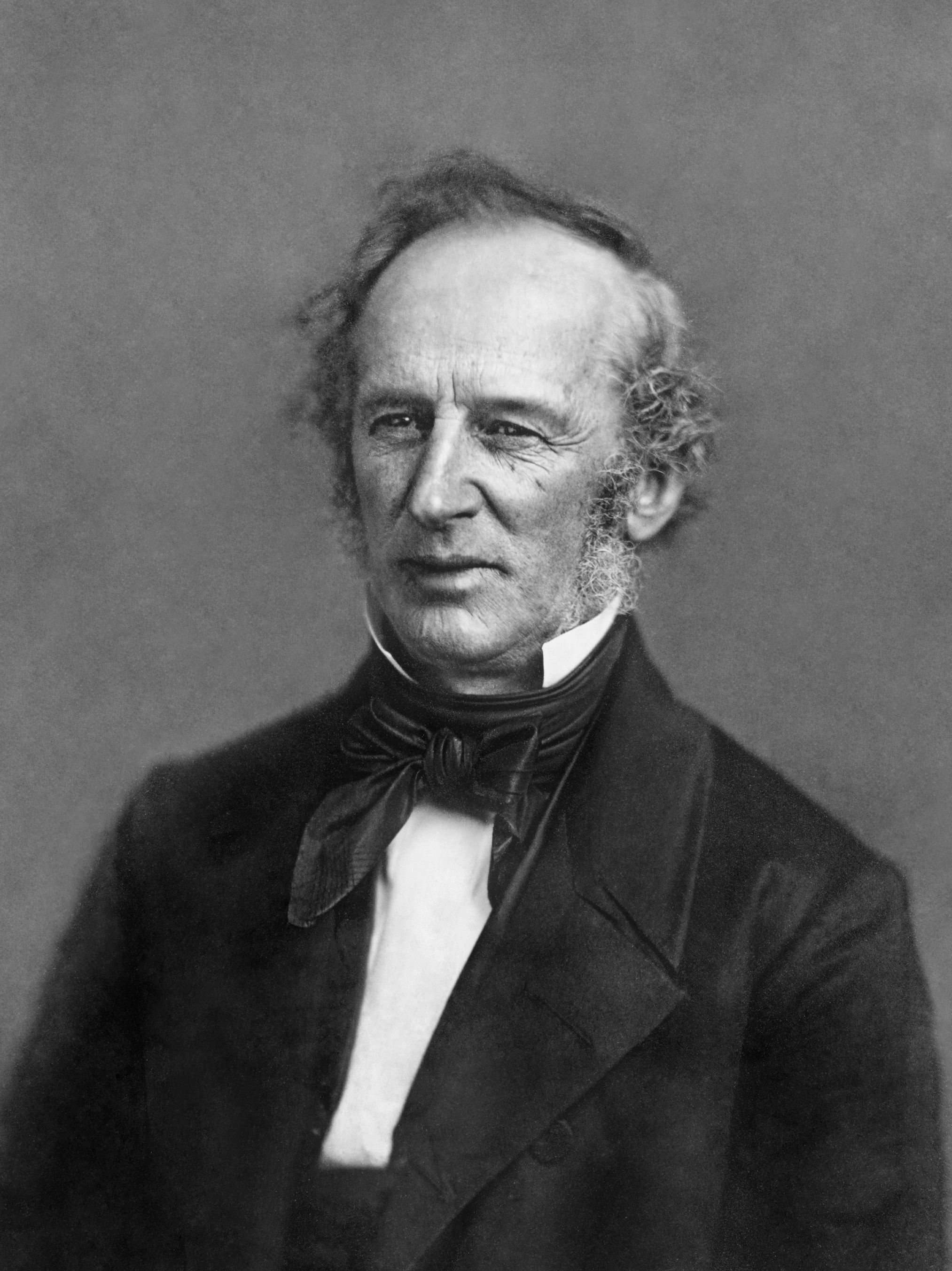
Image result for cornelius vanderbilt

Unlike the two previous "Captains of Industry", Andrew Carnegie was born into a humble family in Dunfermline, Scotland. He immigrated to America as a young boy looking to enhance his education. Carnegie spent much of his childhood working as a telegraph messenger. This job taught him the railway industry and smart business, along with the importance of investments. Carnegie goes on to form the U.S. Steele Company. He invested in the Bessemer process that could mass produce steel inexpensively. Carnegie used both horizontal and vertical integration to buy out any competitors and become the leading supplier of steel. Towards the end of Carnegie's life, he wanted to give back to the people so he wrote "The Gospel of Wealth".  In his book, he claimed that the duty of the rich is to distribute their wealth to others. He lived up to his words and gave 90 percent of his wealth with the intention to set up schools, libraries, art centers, hospitals, and the list goes on. 
Image result for andrew carnegie
Another member of "The Big Four" was J.P Morgan. J.P. Morgan was one of the powerful bankers of his era. He founded his success from large corporations that needed money to finance their growth. He did this through holding companies. Meaning he would buy the stock of other businesses to absorb their profits. Although his tactics were not "fair" they surely worked in making J.P Morgan one of the most prosperous bankers in America. 

Image result for jp morgan
Industrialists like Rockefeller, Vanderbilt, Carnegie, and Morgan changed the way businesses were organized. Businesses began hiring professional managers to oversee employees, improve efficiency, and manage finances. Corporations became the more common business structure, they began using trusts to manage the company and holding companies to manage other subsidiary companies and used mergers to increase profit.

Works Cited:
https://www.brainyquote.com/lists/authors/top_10_john_d_rockefeller_quotes
http://www.dictionary.com/browse/monopoly
http://www.history.com/topics/cornelius-vanderbilt
https://www.biography.com/people/andrew-carnegie-9238756
http://www.history.com/topics/john-pierpont-morgan

Sunday, 10 September 2017

How the Past has Affected the Present

The past does affect the present. Not only does the past teach the following generations, but it also sets the building blocks for technology, clothing, and architecture. All of these new innovations and advancements can be traced back through time.

For example, technology has existed for thousands of years, from the invention of the microscope to the invention of computers and cell phones it has been constantly evolving. For example, in 1879 the light bulb was invented. Had the light bulb not been invented headlights or street lights would not come to be. These two innovations are derived from the light bulb and are important to the safety and visibility of people now. This minor advancement shaped the lives of today's people.


The past has also molded the everyday lives of men and women through apparel. The year 1790 high waisted dresses become fashionable among women. This high waisted garment transformed into high waisted shorts, pants, and even skirts worn by women today. In 1919 the t-shirt was first introduced by the US navy to be worn as an undershirt. We now see the t-shirt worn by both genders on a daily basis. Much of the trends worn today can also be seen in the past.

Finally, the past has also transformed architecture and engineering. The 5th century Greeks were the first to invent the columns. Today we see the use of columns in places like parking decks, bridges, and even homes. Another revolutionizing innovation was the invention of the aqueduct. Aqueducts were invented to provide water to the people residing in that town or village. Aqueducts were also used in New York City, NY, 1842 to provide clean water to a growing population. Lastly, the invention of bathtubs can be attributed to the ancient Greeks. The Greeks were the first to direct the clean water from the aqueduct into man made pools used for bathing. This innovation certainly reconstructed how people bathed and without this modification, the modern bathtub would not exist.


As shown in the paragraphs above, the past does affect the present. The past has influenced modern technology, clothing, and architecture. Without the knowledge and achievements of past generations and people, modern advancements would never occur.  

Works cited:
http://www.localhistories.org/clothestime.html
https://www.thoughtco.com/architecture-timeline-historic-periods-styles-175996
http://www.datesandevents.org/events-timelines/12-technology-timeline.htm